

ADHD Growth Monitoring Calculator
Adolescent Growth Data
Growth Monitoring
Growth Analysis
When an adolescent starts taking ADHD medication, parents often focus on the big wins: better grades, fewer meltdowns, improved sleep. But behind those improvements, there’s a quieter, less talked-about side effect that can sneak up on families: growth suppression. It’s not common, but it’s real. And if you’re not watching for it, it can become a problem before you even notice.
How ADHD Medications Affect Growth
Stimulant medications like methylphenidate (Ritalin, Concerta) and amphetamines (Adderall, Vyvanse) work by boosting dopamine and norepinephrine in the brain. That’s what helps with focus and impulse control. But these same chemicals also affect the body’s appetite and metabolism. The result? Many teens on these meds eat less - sometimes significantly less - during the day.
Studies show that 50% to 80% of adolescents experience appetite suppression while on stimulants. For some, it’s just a skipped lunch. For others, it’s a full-on drop in daily calorie intake. One parent on Reddit described her 14-year-old son eating one granola bar at school and skipping lunch entirely, then consuming over 2,000 calories after 5 p.m. when the medication wore off. That pattern isn’t unusual.
Over time, that calorie deficit can slow growth. Research from the MTA study and other long-term trials found that teens on stimulants for several years grew, on average, 1.39 to 2.55 centimeters (about 0.5 to 1 inch) less than their peers who weren’t medicated. That might not sound like much - until you realize it’s a permanent difference in adult height.
Appetite Loss: More Than Just Skipping Meals
Appetite suppression doesn’t just mean your teen isn’t hungry. It means their body isn’t signaling hunger at all - even when they need fuel. This is especially tricky during school hours, when medication is at its peak. A 2022 CHADD survey found that 42% of teens on stimulants consumed under 300 calories during the school day. That’s less than a small cheeseburger.
Some families try to compensate by loading up on high-calorie snacks after school. But that’s not always enough. Weight loss isn’t just about calories - it’s about consistent nutrition. A child who drops from the 50th percentile to the 15th percentile in weight over eight months isn’t just thinning out. They’re at risk for nutritional deficiencies, delayed puberty, and weakened immune function.
There’s a clear link between dosage and appetite loss. Higher doses = more suppression. But even low doses can have an effect. That’s why monitoring isn’t optional - it’s essential.
What Doctors Are Saying About Growth
The data on growth suppression isn’t black and white. Some studies, like the 2017 Froehlich study, found no long-term height difference between medicated and non-medicated teens. Others, like the 2004 MTA follow-up, showed a 2.55 cm reduction in adult height for those on continuous medication.
Dr. Joseph Biederman from Harvard says the height loss is "clinically insignificant" compared to the benefits of better focus, fewer accidents, and lower risk of substance abuse. But Dr. Glen Elliott warns that for teens already on the lower end of the growth curve, even a small drop can matter.
The key? It depends on the individual. A teen who’s tall, healthy, and eating well might not even notice a change. A teen who’s petite, picky, or already struggling with weight might see a sharp drop.
Comparing Medication Types
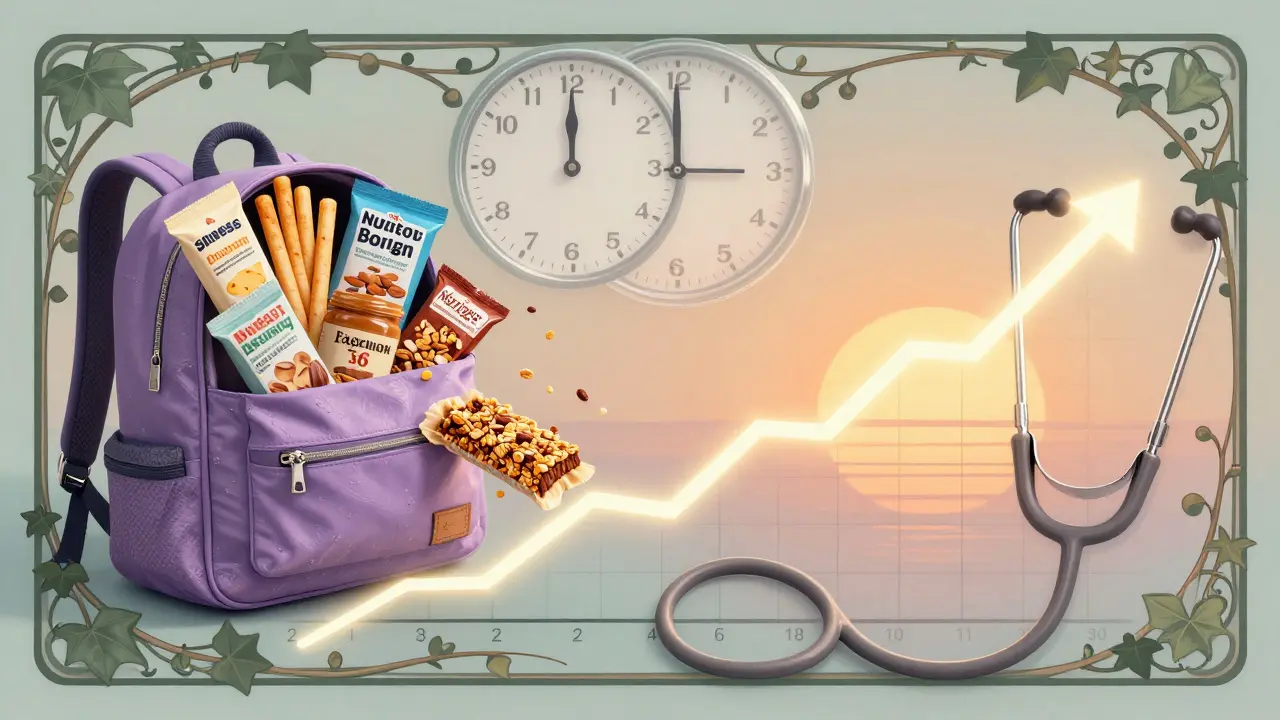
Not all ADHD meds affect growth the same way. Methylphenidate-based drugs (like Concerta) tend to cause less suppression than amphetamine-based ones (like Vyvanse). A 2019 meta-analysis in CNS Drugs found that after three years, teens on amphetamines lost about 1.7 cm in height, while those on methylphenidate lost 1.1 cm.
Extended-release formulations are also different. They maintain steady drug levels all day, which can mean prolonged appetite suppression. Immediate-release versions, which peak and drop faster, sometimes allow for better eating windows.
Non-stimulants like atomoxetine (Strattera) don’t suppress appetite or growth nearly as much. But they’re also 30-40% less effective at reducing core ADHD symptoms. So the trade-off isn’t simple.
How to Monitor Growth and Appetite
The American Academy of Pediatrics says you need to track height and weight regularly. Here’s what they recommend:
- Measure height and weight at baseline - before starting medication.
- Check again every 3 months during the first year.
- Then every 6 months after that.
If your teen’s height or weight drops more than one z-score in six months - that’s a red flag. Most pediatricians use growth charts to track percentiles. A drop from the 50th to the 15th percentile is a sign to act.
Some clinics use electronic growth trackers that flag changes automatically. That’s becoming standard - 92% of pediatric practices now use them, according to a 2021 AAP survey.
Practical Tips for Managing Appetite and Growth
Here’s what actually works in real life:
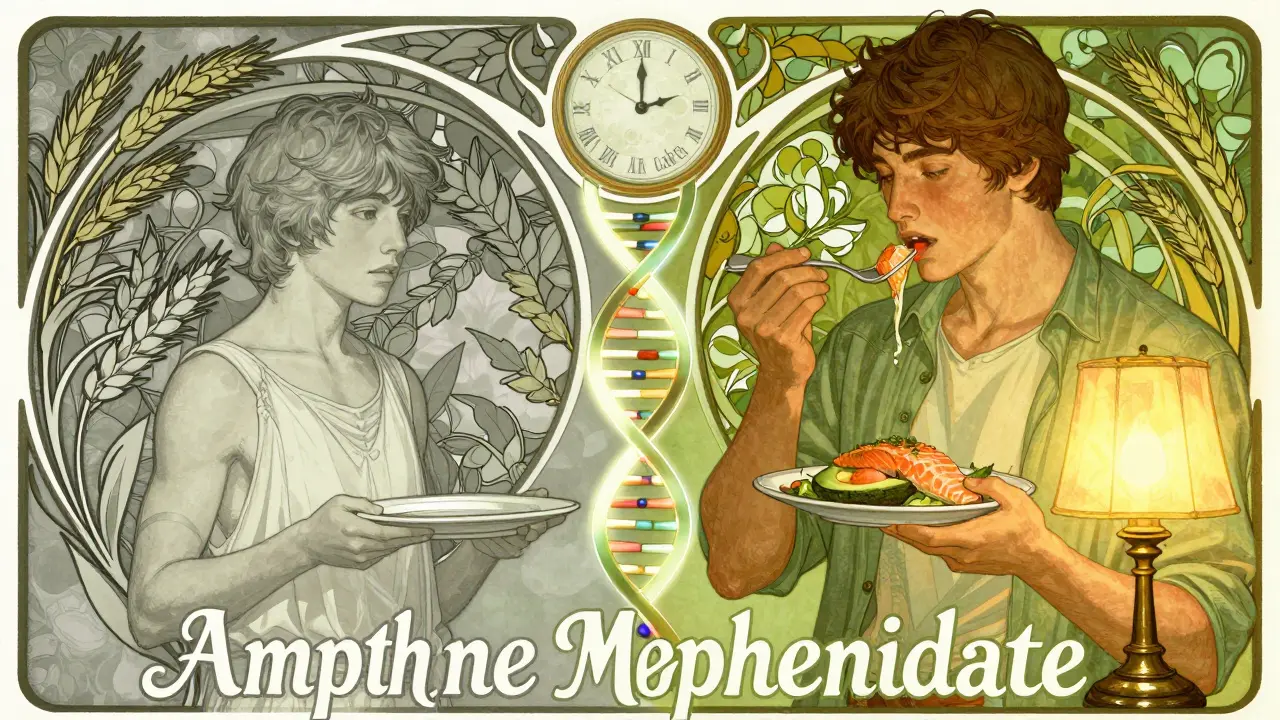
- Feed them before the medication kicks in. If your teen takes medication at 7 a.m., serve a high-calorie breakfast at 6:30 a.m. Think eggs, peanut butter, cheese, whole milk, or a smoothie with protein powder.
- Make dinner count. After the medication wears off, the body often goes into "catch-up mode." Load up on nutrient-dense foods: salmon, avocados, nuts, whole grains, yogurt.
- Keep snacks handy. Keep calorie-dense, non-perishable snacks in their backpack: trail mix, cheese sticks, granola bars, nut butter packets.
- Consider a medication holiday. Many pediatricians recommend a "drug holiday" during summer break or long weekends. Studies show 87% of teens catch up to 75% of their expected growth within six months of stopping.
- Don’t ignore weight loss. If your teen loses more than 10% of their body weight, talk to their doctor. Switching to a non-stimulant or adjusting the dose may be necessary.
What’s New in 2026
In 2023, the FDA approved a new extended-release amphetamine called Adhansia XR, designed to reduce appetite suppression. Early data shows 18% less weight loss compared to older versions. That’s promising.
Also in 2023, the MTA follow-up study found that 89% of teens who had growth delays during treatment caught up to their genetic height potential by age 25. Only 11% had persistent height loss over 1.5 cm.
Genetic testing is also emerging. Companies like Genomind report a 40% reduction in growth-related side effects when dosing is guided by CYP2D6 gene testing. It’s not standard yet - but it’s coming.
When to Consider Alternatives
If your teen is losing weight, falling behind on growth, or struggling to eat, it’s time to rethink the plan. You don’t have to stop medication. But you might need to:
- Switch from an amphetamine to a methylphenidate-based drug.
- Change from extended-release to immediate-release to allow eating windows.
- Try a non-stimulant like atomoxetine or guanfacine.
- Add a short-term appetite stimulant like cyproheptadine (under medical supervision).
Remember: ADHD isn’t just about behavior. It’s about brain chemistry. And treating it shouldn’t mean sacrificing your teen’s long-term health.
Do ADHD medications permanently stunt growth?
Most teens catch up. Studies show that 89% of adolescents who experienced growth suppression during treatment reached their genetic height potential by age 25. Only about 11% had a persistent height difference of more than 1.5 cm. The impact is usually temporary and most noticeable in the first 1-2 years of treatment.
How often should height and weight be checked?
Measure height and weight at the start of treatment, then every 3 months during the first year. After that, check every 6 months. If growth slows significantly - like dropping below the 25th percentile or losing more than one z-score in weight - your doctor should reassess the medication.
Can I give my teen high-calorie snacks to make up for lost appetite?
Yes - and you should. But timing matters. High-calorie meals before the medication kicks in (like 6:30 a.m. for a 7 a.m. dose) are more effective than snacks after school. Focus on nutrient-dense foods: eggs, cheese, nut butter, avocados, whole milk, and protein shakes. Avoid sugary junk food - it fills them up without giving real nutrition.
Are non-stimulant ADHD meds better for growth?
Yes, non-stimulants like atomoxetine (Strattera) and guanfacine (Intuniv) have minimal impact on appetite and growth. But they’re also less effective - about 30-40% less than stimulants - at reducing core ADHD symptoms. So the trade-off is symptom control versus physical side effects. For some teens, that’s worth it.
What’s a medication holiday, and does it help?
A medication holiday means stopping ADHD meds for a period - often during summer break or long weekends. Studies show 87% of teens recover 75% of their expected growth velocity within six months of stopping. It’s not a cure-all, but it’s one of the most effective ways to let the body catch up. Always talk to your doctor before pausing medication.
13 Comments
I've seen this with my nephew. He's on Concerta and was dropping weight like crazy. We started giving him a peanut butter banana smoothie before school and now he's back on track. No drama, just real food.
Also, the 6:30 AM breakfast tip? Game changer.
so like i get that meds affect growth but like isnt this just another way for parents to panic over nothing? my cousin was on adderall for 4 years and turned out 6 foot 1 and still plays basketball. the science is messy and people act like its a death sentence
I'm a nurse who works with teens on ADHD meds and honestly? The appetite suppression is way more common than people admit. I had one kid who only ate after 9 PM and gained zero weight for 8 months. We switched to Vyvanse to Concerta and within 3 weeks he started eating like a normal human.
Also, don't underestimate the power of a protein shake before bed. It's not glamorous but it helps more than you think.
This article reads like a pharmaceutical marketing brochure. Yes stimulants suppress appetite. No surprise. But the real issue is why we're medicating kids at all. The school system doesn't accommodate neurodivergence. Instead we drug them into compliance.
And now we're worried about height? How about fixing the system instead?
My daughter was on Vyvanse and lost 12 pounds in 4 months. We did the morning snack + dinner boost + weekend break routine and she’s back to her old self.
Also, try adding a tablespoon of coconut oil to her smoothies. It’s like liquid calories that don’t taste weird. And yes, she still takes meds. Just smarter now.
Good info. I’d add that tracking growth isn’t just about numbers - it’s about noticing when your kid stops asking for food. That’s the real red flag.
The 3-month check-in is non-negotiable. We missed one and didn’t realize she’d dropped two percentiles until her pediatrician pointed it out. Now we do it religiously.
Oh here we go. Another post telling parents how to feed their kids like they’re livestock.
Let me guess - you also believe in ‘food timing’ and ‘nutrient-dense’ and ‘protein powder smoothies’? Newsflash: kids aren’t lab rats. Let them eat when they’re hungry. Or don’t medicate them. Either way, stop micromanaging their metabolism.
I'm just here for the emojis 😅
It's heartbreaking how easily we normalize the chemical suppression of natural human functions - hunger, growth, spontaneity - in the name of academic performance. The data says 89% catch up? That still means 11% don't. And what of the psychological cost? We're not just managing ADHD - we're reshaping childhood.
Wait - did you know the FDA approved Adhansia XR after lobbying from big pharma? And that the '89% catch up' statistic comes from a study funded by the same company that makes Vyvanse?
Also, have you heard of the 2022 whistleblower report about growth suppression data being buried? I have sources. This isn't science - it's corporate strategy.
As someone from India where ADHD diagnosis is still stigmatized, I find this discussion fascinating. Here, we rarely medicate - we use behavioral therapy, yoga, diet changes. But when we do prescribe, the growth concern is always front and center. The balance between function and form is delicate. Maybe we need to rethink what 'normal' even means.
USA! USA! USA! 🇺🇸 We got the best meds, the best docs, the best growth charts. If your kid ain't growing, maybe they need more protein shakes and less whining. #PatriotParenting #NoMoreWeakness