
Health Conditions: Clear Answers and Practical Steps
Some health issues start small but change daily life fast. On this page you'll find short, practical pieces about conditions people actually face: rickets in kids, rosacea on the face, how hearing trouble affects mood, a drug used in heart failure, and links between fungal infections and skin cancer. Each post gives clear signs to watch for, simple actions you can take now, and when to get medical help.
If a child has bowed legs, slow growth, or soft bones, rickets is one possible cause. Low vitamin D, low calcium, or poor absorption can be behind it. The fix is often straightforward: check vitamin D levels, increase safe sun exposure, and adjust diet or supplements under a doctor’s guidance. Early treatment helps bones grow normally and avoids long-term problems.
Rosacea shows up as persistent facial redness, visible blood vessels, or acne-like bumps. Triggers vary—heat, spicy food, alcohol, or certain skincare products. A gentle routine helps: use non-irritating cleansers, apply sunscreen daily, avoid known triggers, and talk to a dermatologist about topical or oral treatments if flare-ups continue.
Hearing difficulty doesn’t only affect conversation. Feeling left out, tired, or down can follow when you can’t follow talks or group noise. A hearing check is the first step. Simple solutions—hearing aids, assistive devices, or therapy—often cut isolation and lift mood. Don’t wait until it feels “too late.” Early help keeps social life and mental health stronger.
Spironolactone is a medicine used in some people with heart failure. It reduces fluid buildup and eases strain on the heart by blocking aldosterone, a hormone that causes fluid retention. It can improve symptoms and quality of life, but it needs monitoring: doctors usually check blood potassium and kidney function because levels can shift. Take it exactly as prescribed and report dizziness, muscle weakness, or irregular heartbeat.
Fungal skin infections are common and usually treatable, but some persistent infections can damage skin or weaken local immunity. There’s emerging evidence that long-standing infections may increase skin damage and, rarely, contribute to cancer risk in damaged tissue. Treat fungal infections early with prescribed antifungals, keep skin dry and clean, and see a dermatologist if a rash won’t go away.
When to see a doctor
Seek care for: delayed growth or bone deformity in kids, sudden or worsening redness or skin bumps that bleed or don’t heal, hearing loss that affects work or relationships, swelling or shortness of breath with heart meds, or any skin infection that spreads or won’t clear. If a medication changes blood tests or causes new symptoms, contact your provider right away.
Practical steps you can take now
Get routine checks: vitamin D for kids with bone concerns, hearing tests if you notice trouble, skin checks for persistent rashes. Use sun protection and gentle skincare for rosacea, keep skin dry and treated for fungal issues, and follow doctor orders for heart medicines with regular blood tests. Small actions now save bigger problems later.
Want to explore a specific condition? Click any article on this page for a focused guide with signs, causes, treatment options, and realistic next steps you can use today.

CPAP Machines: Types, Mask Fitting, and Adherence Strategies
CPAP machines are the most effective treatment for sleep apnea, but success depends on mask fit and consistent use. Learn the differences between CPAP, APAP, and BiPAP, how to find the right mask, and proven strategies to stick with therapy long-term.

Vertigo and Dizziness: Understanding Inner Ear Disorders and How Vestibular Therapy Helps
Vertigo isn't just dizziness - it's a spinning sensation caused by inner ear problems. Most cases like BPPV can be fixed with simple maneuvers and therapy, not pills. Learn how vestibular rehab works and what to do right now.

Phantom Limb Pain: How Mirror Therapy and Medications Help Manage the Pain
Phantom limb pain affects 60-85% of amputees and doesn’t fade on its own after six months. Mirror therapy and medications like gabapentin and amitriptyline offer real relief by retraining the brain and calming nerve signals.

Home Oxygen Therapy: Safety Tips and Activity Guidance
Home oxygen therapy helps people with COPD and other lung conditions breathe easier-but it comes with serious fire risks. Learn the 10-foot safety rule, what to avoid, how to stay active, and what’s new in 2026.

Meniere’s Disease: How Inner Ear Fluid Causes Vertigo and How to Manage Symptoms
Meniere’s disease causes vertigo, hearing loss, and tinnitus due to inner ear fluid buildup. Learn how sodium, diuretics, injections, and new immune therapies can help manage symptoms and slow progression.
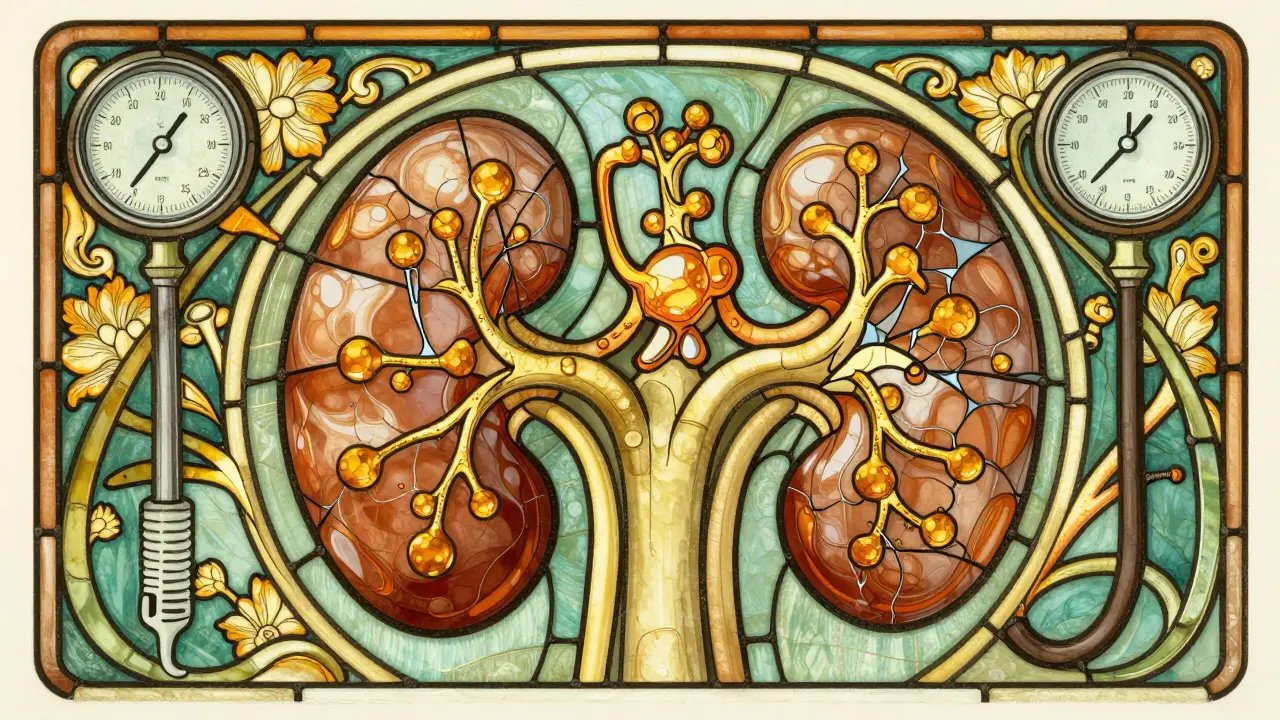
Kidney Failure Causes: How Diabetes, Hypertension, and Glomerulonephritis Damage Your Kidneys
Diabetes, hypertension, and glomerulonephritis cause over 80% of kidney failure cases. Learn how they damage your kidneys, what tests to ask for, and how early action can prevent dialysis.

Exercise and Diabetes: Proven Physical Activity Plans to Control Blood Sugar
Learn proven exercise plans to control blood sugar with type 1 or type 2 diabetes. Discover how walking, strength training, and breaking up sitting lower HbA1c, reduce insulin needs, and prevent complications-backed by the latest medical guidelines.
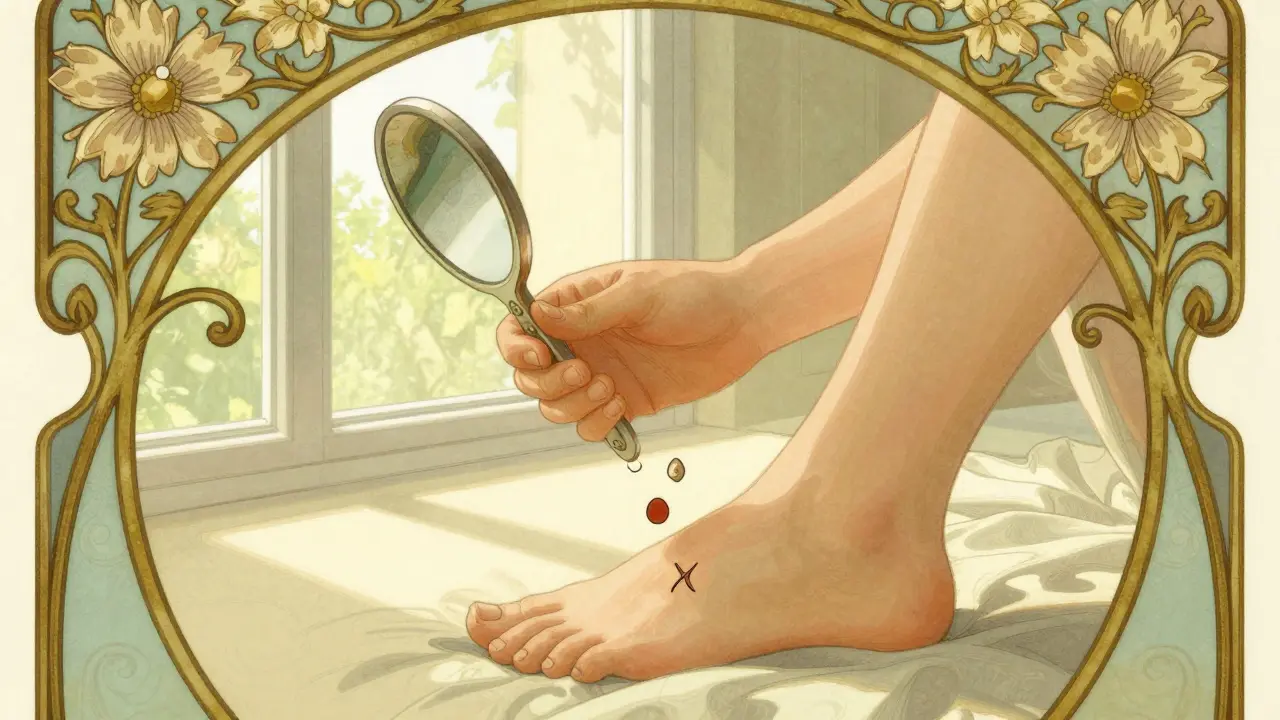
Diabetes Foot Care: Ulcer Prevention and Daily Inspection Checklist
Learn the daily foot inspection checklist proven to prevent diabetic foot ulcers. Discover what to look for, what shoes to wear, and when to call a doctor before it's too late.

Antibiotics and Myasthenia Gravis: What You Need to Know About Neuromuscular Weakness Risks
Certain antibiotics can worsen muscle weakness in people with myasthenia gravis. Learn which ones are risky, which are safe, and how to make smart choices with your doctor to avoid dangerous flares.
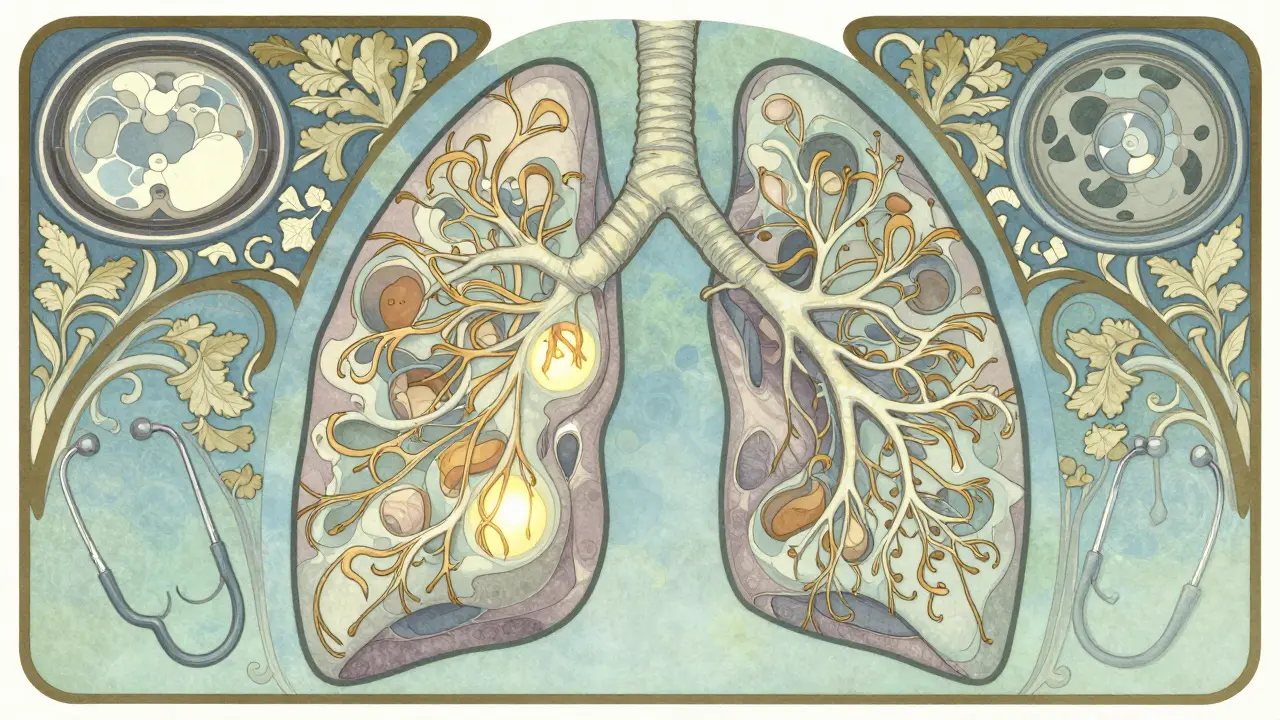
Interstitial Lung Disease: Understanding Progressive Scarring and Modern Treatment Options
Interstitial lung disease causes progressive lung scarring that reduces oxygen flow. Learn how it develops, what treatments slow it down, and why early diagnosis makes all the difference.