
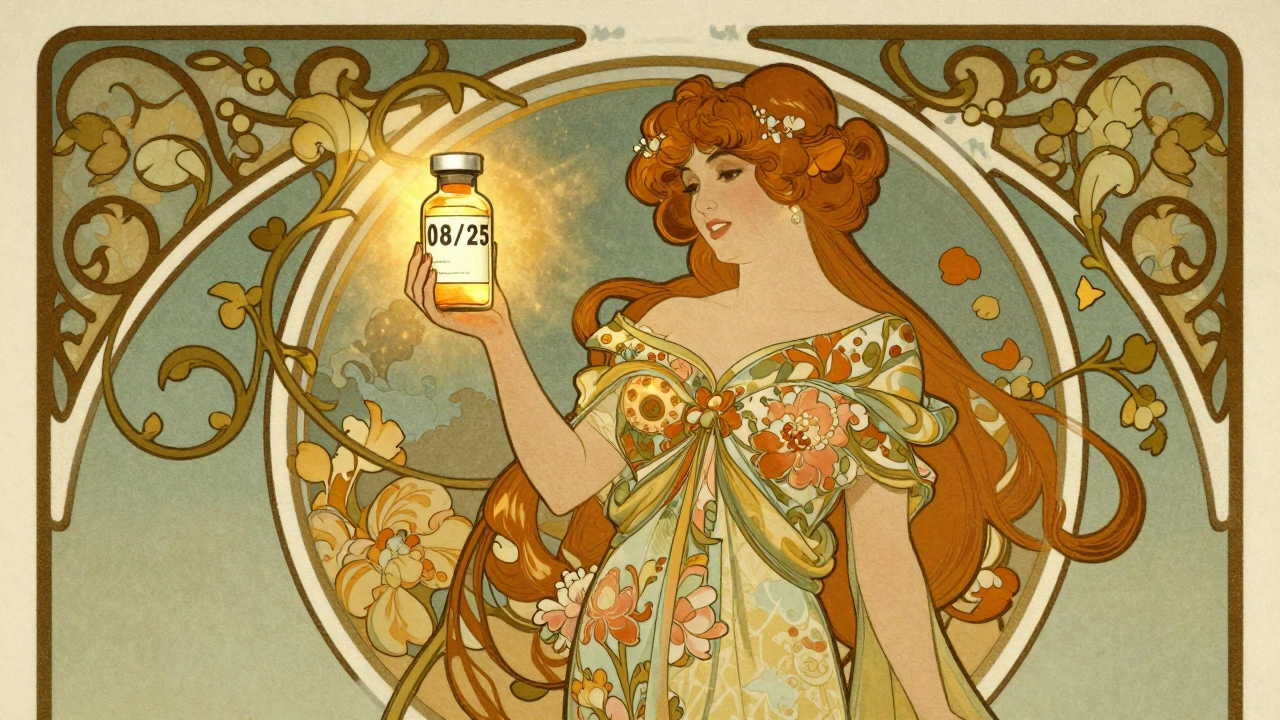
Most people don’t think twice about popping a pill past its expiration date-until it doesn’t work. Maybe your headache won’t go away, or your antibiotic seems useless. That’s not just bad luck. It’s often because you misread the date on the bottle.
What an Expiration Date Actually Means
The date on your medicine isn’t a "use-by" or "throw-out" deadline. It’s the last day the manufacturer guarantees the drug will work as intended-full strength, safe, and stable-if stored properly. The U.S. Food and Drug Administration (FDA) has required this since 1979. Every prescription and over-the-counter medicine must carry it.
That doesn’t mean the medicine turns toxic the next day. In fact, the FDA’s own Shelf Life Extension Program found that 90% of tested drugs remained effective years after their expiration date when stored in ideal, sealed conditions. But here’s the catch: those were stockpiled military meds in climate-controlled warehouses. Your bathroom cabinet? Not the same.
Where to Find the Expiration Date
Look on the original packaging first-the box, the blister pack, the bottle. That’s the real expiration date. But if you’ve transferred pills to a pill organizer or the pharmacy gave you a new label, you’re on your own. Pharmacy labels often say "Discard after [date]" or "Do not use after [date]." That’s not the manufacturer’s date. That’s the pharmacy’s safety buffer.
For example, if your insulin was manufactured with an expiration date of 10/2026, but your pharmacist dispensed it in March 2025, the label might say "discard after 3/2026." That’s because insulin loses potency faster once opened. The pharmacy is being extra cautious. Always ask: "Is this the manufacturer’s date or the pharmacy’s beyond-use date?"
How to Decode the Date Format
Expiration dates come in different formats, and they vary by country. In the U.S., you’ll often see:
- MM/YY (e.g., 08/23) → expires on August 31, 2023
- MM/YYYY (e.g., 08/2025) → expires on August 31, 2025
- DD/MM/YYYY (e.g., 15/08/2025) → common in Europe and Australia
- YYYY-MM-DD (e.g., 2025-08-15) → newer, global standard
If you see just "Expiry: 08/25," assume it means the last day of August 2025. Don’t guess. If you’re unsure, call your pharmacist. They’ve seen every format under the sun.
What Happens When Medication Expires?
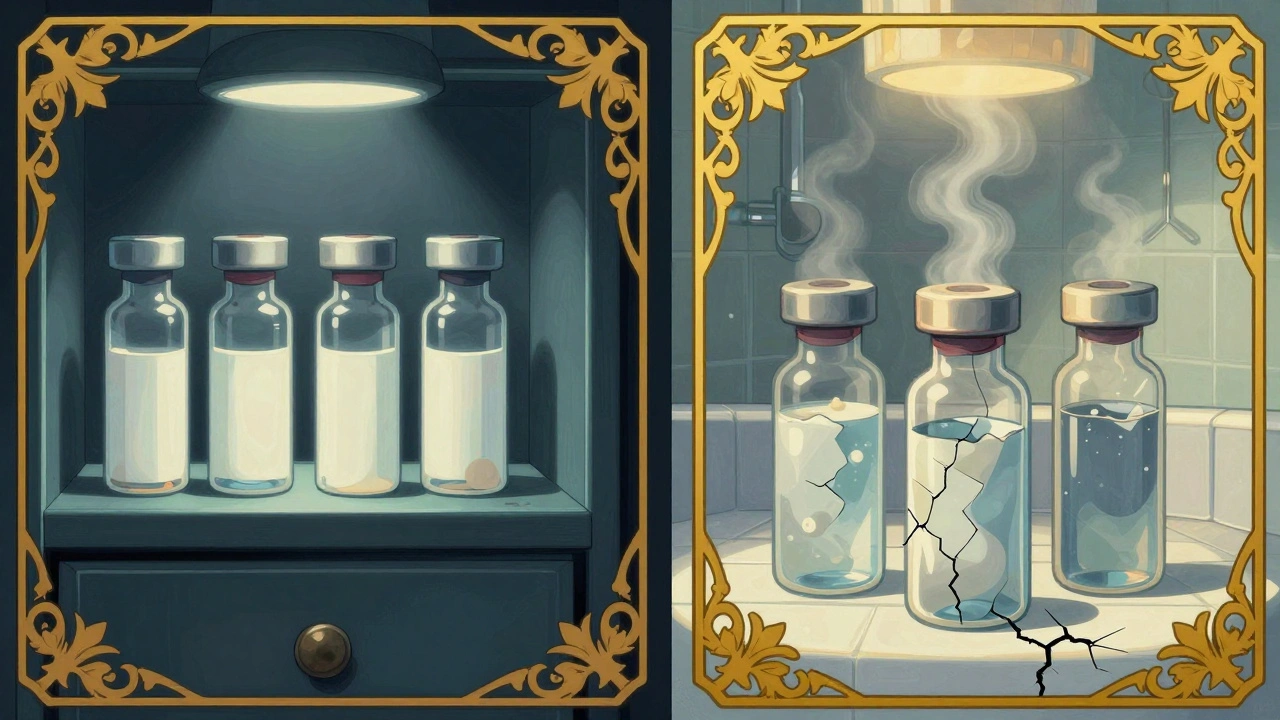
Most expired drugs don’t turn poisonous. They just lose power. A 2022 study found that ibuprofen can stay effective for months past its date. But after years? It’s not worth the risk. Antibiotics are the big concern. If a drug doesn’t kill all the bacteria, you’re not just wasting money-you’re training superbugs to survive. That’s how antibiotic resistance starts.
Some meds are dangerous to use after expiration:
- Insulin - can lose potency quickly, leading to dangerously high blood sugar
- Birth control pills - even slight potency loss can cause unintended pregnancy
- Thyroid meds - inconsistent dosing throws your metabolism off
- Antiplatelet drugs like aspirin or clopidogrel - if they don’t work, you’re at risk for heart attack or stroke
And yes, tetracycline was once linked to kidney damage after expiring-but that was in the 1960s. Modern versions don’t have that risk. Still, don’t take chances with anything that looks off.
When to Throw It Out
Don’t just go by the date. Look at the medicine itself. Check for:
- Change in color (e.g., white pills turning yellow)
- Unusual smell (like vinegar or mold)
- Crumbly, sticky, or powdery texture
- Cloudy liquid or particles in suspension
Eye drops are especially risky. Once opened, they’re prone to bacterial growth. Even if the date says 2026, most eye drops should be tossed 3 months after opening. Same goes for liquid antibiotics-many expire in 14 days after mixing.
And don’t forget storage. Heat, humidity, and light destroy medicine faster than time. Keep pills in a cool, dry place-not the bathroom, not the car, not the windowsill. Refrigeration? Only if the label says so. Freezing? Never, unless instructed.
What to Do If You’re Unsure
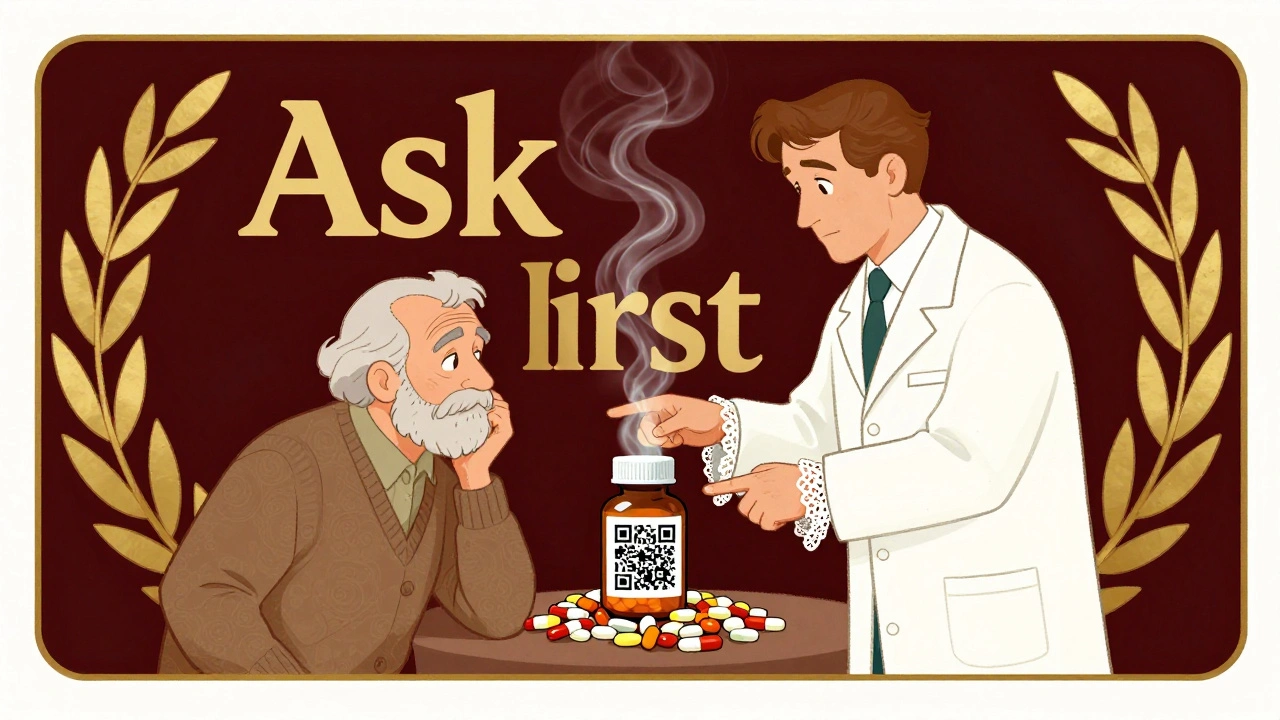
When in doubt, call your pharmacist. They’re not just dispensers-they’re your safety net. Ask:
- "Is this still safe to use?"
- "Was this dispensed from the original bottle?"
- "Can you confirm the manufacturer’s expiration date?"
Many pharmacies now offer free expiration date checks. Some even have apps like MedSafe that track your meds and send alerts when something’s about to expire. Use them.
And if you’ve been holding onto old meds for "just in case," stop. That’s how accidental overdoses happen. Kids find them. Elderly patients mix them up. It’s not worth it.
How to Dispose of Expired Medication
Never flush pills down the toilet or toss them in the trash without mixing them. The FDA recommends mixing expired meds with coffee grounds or cat litter, sealing them in a plastic bag, and throwing them in the household trash. Some pharmacies and police stations offer take-back bins. Check your local health department website for drop-off locations.
And if you’re ever tempted to give expired meds to someone else? Don’t. What works for you might not work for them. Dosing is personal. Safety isn’t a group effort.
What’s Changing in the Future
Pharmaceutical companies are starting to use smarter packaging. Some insulin vials now have thermochromic ink that changes color if exposed to heat. QR codes on bottles link to digital expiration records. Australia and the EU are moving toward standardized YYYY-MM-DD labeling to cut confusion.
But until then, the responsibility falls on you. Read the label. Check the date. Know the difference between manufacturer and pharmacy dates. When in doubt, ask. A few minutes of attention can prevent a health crisis.
Medicine isn’t like bread. You can’t smell it and know it’s gone bad. But you can learn how to read the signs. And that’s the difference between feeling better-and feeling worse.
Can I still take medicine after the expiration date?
Most medications remain safe and effective for months or even years after their expiration date if stored properly. However, certain drugs like insulin, birth control pills, thyroid medications, and antibiotics should never be used past their expiration date because they can lose potency and cause serious health risks. Always check with a pharmacist before using expired medication.
What does "Expiry: 08/25" mean on a medicine bottle?
"Expiry: 08/25" means the medication expires on the last day of August 2025. In the U.S., when only a month and year are shown, it always refers to the end of that month. So even if it’s August 1st, the drug is still considered good until August 31st.
Why does my pharmacy label say a different expiration date than the original bottle?
Pharmacies often set a "beyond-use" date that’s shorter than the manufacturer’s expiration date. This is a safety precaution, especially for medications like liquid antibiotics, eye drops, or insulin, which degrade faster once opened or removed from sealed packaging. The pharmacy’s date is usually 1 year from dispensing, but can be as short as 14 days for some suspensions. Always ask which date to follow.
How do I know if my medicine has gone bad?
Look for changes in color, smell, or texture. Pills that are crumbly, sticky, or discolored should be thrown out. Liquids that are cloudy, have particles, or smell unusual are no longer safe. Eye drops and insulin are especially sensitive-don’t use them if they look off, even if the date is still valid.
Where should I store my medications to keep them effective?
Store medications in a cool, dry place away from sunlight and moisture. Avoid the bathroom or kitchen, where steam and heat can degrade them. Keep them in their original containers with the labels intact. Only refrigerate if the label says to-freezing can damage most medicines. Always follow the storage instructions printed on the packaging.
What’s the safest way to dispose of expired medication?
Mix expired pills with an unappetizing substance like coffee grounds or cat litter, seal them in a plastic bag, and throw them in the trash. Never flush them unless the label specifically says to. Many pharmacies and police stations have drug take-back programs. Check your local health department for drop-off locations. This prevents accidental ingestion and environmental contamination.
12 Comments
Been there. Took some old ibuprofen last winter for a migraine and it worked fine. But I learned the hard way with amoxicillin-didn’t kill the infection, just made it worse. Now I check every label like it’s a bomb defusal manual.
Pharmacy beyond-use dates aren’t arbitrary-they’re pharmacokinetic risk mitigations based on stability data. For example, liquid antibiotics degrade via hydrolysis post-reconstitution, and beta-lactams like penicillin have half-lives measured in hours once reconstituted. Don’t treat them like pantry staples.
They’re hiding something. The FDA’s Shelf Life Extension Program? Totally funded by Big Pharma. Why would they let you know meds last 15 years? So you stop buying new ones. And don’t get me started on the thermochromic ink-those are tracking chips disguised as temperature sensors. They’re monitoring your pill intake. I saw it on a documentary.
It’s fascinating how we’ve outsourced medical literacy to corporations and pharmacists. We treat pills like magic beans-pop them, hope for the best. But medicine isn’t a black box. It’s chemistry. And chemistry doesn’t lie. If you don’t understand the date format, you’re not just risking your health-you’re surrendering agency. Take five minutes. Learn it. Own it.
...so...basically...you’re saying...if it doesn’t look weird...and it’s not insulin...you’re fine?...I mean...I’ve had this Advil since 2018...and I’ve used it for...like...every headache since...so...yeah...I’m good...right?...
...wait...did you say tetracycline?...but that’s ancient...so...modern ones are fine?...but what if the bottle’s been in my car?...oh god...I think I’m dying...
Check the label. Ask the pharmacist. Don’t guess. Done.
It is both a moral and pharmacological imperative to adhere to the expiration dates promulgated by the Food and Drug Administration. To deviate therefrom is not merely irresponsible-it is an affront to the sanctity of scientific rigor and public health stewardship. One does not consume expired pharmaceuticals as one might consume stale bread; the consequences are not merely gastrointestinal but potentially systemic, and thus ethically indefensible.
YOU JUST LET YOUR KID TAKE A 5-YEAR-OLD ANTIBIOTIC?!!
DO YOU KNOW WHAT HAPPENS WHEN YOU DO THAT?
YOU CREATE SUPERBUGS.
NOT JUST FOR YOU.
FOR EVERYONE.
YOU’RE NOT JUST A BAD PARENT.
YOU’RE A BIOLOGICAL TERRORIST.
AND I’M NOT EVEN MAD.
I’M SORRY FOR YOU.
So let me get this straight-you’re telling me I should pay $120 for a new prescription of thyroid meds when the bottle says 2024 and I’ve got 80 pills left? That’s not safety, that’s corporate greed. My grandma took expired meds for 30 years and lived to 98. You’re selling fear, not facts.
Bro i took expired cipro last year for a UTI and it worked fine. I live in India we dont have money to replace meds every 6 months. The date is just a suggestion. Also why are you telling people to throw it in coffee grounds? Thats so wasteful. Just flush it. The river dont care.
Here in India we have a saying: "Dawa ka date nahi, asar ka date hota hai"-medicine doesn’t expire, effect does. I’ve used 10-year-old paracetamol for fever, and it worked. But I never trust the pharmacy label-they just want you to buy more. The original bottle date? That’s the truth. And yes, I store my meds in the kitchen cupboard. Heat is good-it activates the molecules!
Ok but like… I have this old Zyrtec from 2021 that I use for allergies and it’s literally the only thing that works… so I just… keep it… 😅
Also I saw a TikTok that said expired meds are basically just sugar pills… sooo… is it safe? Or am I just a walking biohazard? 🤔