

Quick Summary: Key Takeaways
- Acute Pancreatitis: A sudden attack of inflammation that usually resolves with hospital care but can be life-threatening if severe.
- Chronic Pancreatitis: Permanent scarring and damage to the pancreas that leads to malabsorption and diabetes.
- Core Recovery Goal: Reducing pancreatic stress through fat restriction and using enzyme supplements (PERT) to absorb nutrients.
- Critical Warning: Smoking is a primary driver of disease progression in chronic cases; quitting is the most effective way to slow the damage.
Acute vs. Chronic: What's the Real Difference?
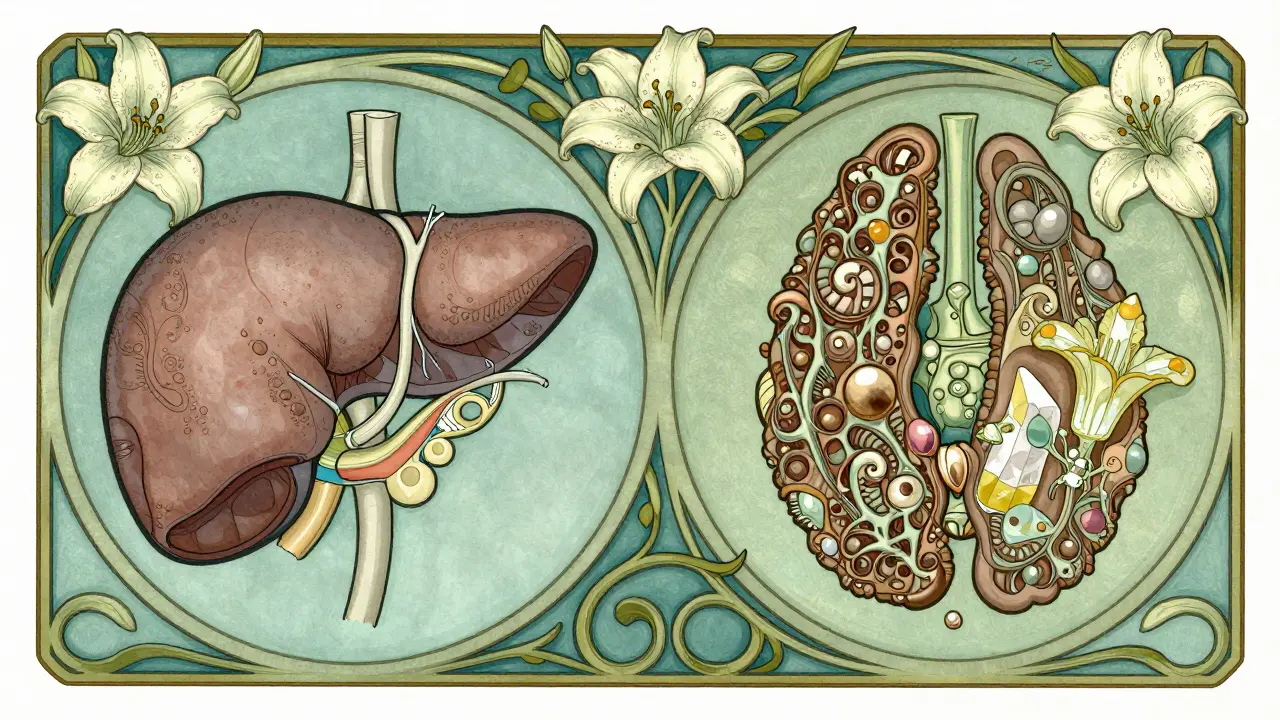
When you're in the middle of a flare-up, everything feels like an emergency. But the medical reality of these two conditions is vastly different. Acute Pancreatitis happens when digestive enzymes activate *inside* the pancreas instead of in your intestine. Essentially, the organ starts digesting itself. It's a medical crisis. Most people recover fully within a week if they get aggressive fluid resuscitation early on-which research shows can cut the risk of systemic complications by nearly 30%. On the other hand, Chronic Pancreatitis is a marathon of decline. Instead of sudden swelling, the organ develops fibrosis and calcification. This means the healthy tissue is replaced by scar tissue. You don't just "recover" from this; you manage it. Over time, the pancreas stops producing enough enzymes (exocrine failure) and insulin (endocrine failure), leading to a dangerous duo of malnutrition and diabetes.| Feature | Acute Pancreatitis | Chronic Pancreatitis |
|---|---|---|
| Onset | Sudden, severe epigastric pain | Gradual, often post-meal pain |
| Key Symptom | High serum lipase/amylase | Steatorrhea (fatty, oily stools) |
| Imaging | Pancreatic edema (swelling) | Calcifications and duct abnormalities |
| Outcome | 80% recover fully within 7 days | Progressive loss of organ function |
| Main Risk | Organ failure / Necrosis | Diabetes / Pancreatic Cancer |
The Nutritional Battle: Eating for Recovery
Eating becomes a minefield when your pancreas is failing. The organ's job is to break down fats, proteins, and carbs. When it can't, you face a paradox: you're starving even though you're eating, because the nutrients are passing straight through you. During an acute attack, the goal is "pancreatic rest." This usually means a very strict fat restriction (often 20-30g per day) to stop the pancreas from working too hard while it heals. In a hospital setting, doctors now prefer enteral nutrition (tube feeding) over IV fluids alone, as it keeps the gut barrier strong and reduces infection rates. For those managing the chronic version, the strategy shifts to supplementation. Since your body isn't making enzymes, you have to take them. This is called Pancreatic Enzyme Replacement Therapy (or PERT), which involves taking lipase, protease, and amylase supplements with every meal. If you're using PERT, the timing is everything. You can't just take it once a day; you need it *during* the meal to mix with the food. A common dose for a main meal is between 40,000 and 90,000 units of lipase. If you're still seeing oily stools, your dose is likely too low.Dealing with Malabsorption and Deficiencies
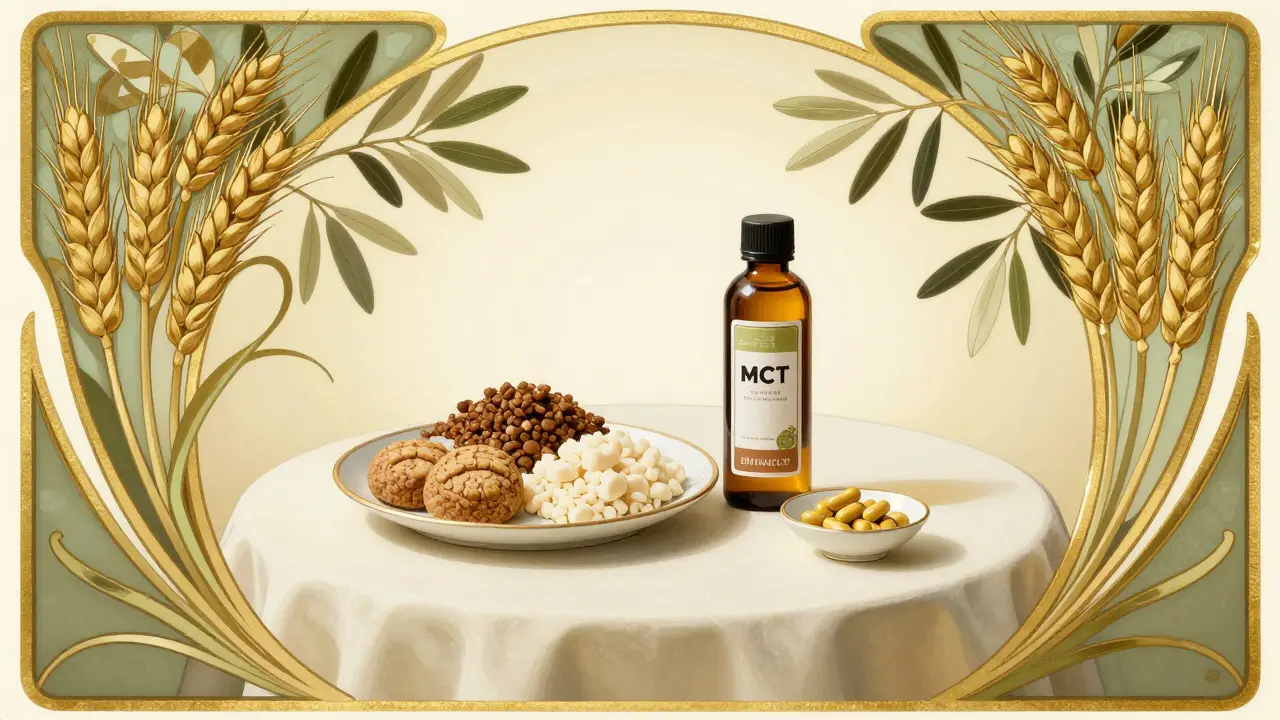
Because fat isn't being absorbed, the fat-soluble vitamins go right along with it. This creates a hidden hunger that leads to severe deficiencies. It's not uncommon for 85% of chronic patients to be deficient in Vitamin D, or 40% to lack Vitamin B12. This can manifest as extreme fatigue, bone pain, or neurological issues. To fight this, a few specific nutritional shifts are necessary:- Switch to MCTs: Medium-Chain Triglycerides are a type of fat that doesn't require pancreatic enzymes to be absorbed. Using MCT oil can help you gain weight without triggering the pain associated with long-chain fats.
- Small, Frequent Meals: Instead of three big meals, aim for 6 to 8 small snacks throughout the day. This prevents the pancreas from being overwhelmed and helps keep blood sugar stable if you've developed pancreatogenic diabetes.
- Complex Carbs: Stick to slow-digesting carbohydrates to avoid the sharp insulin spikes that are common in patients with endocrine failure.
Managing the Long-Term Complications
Living with pancreatitis isn't just about the diet; it's about preventing the "big" complications. The most serious is the increased risk of pancreatic cancer. People with chronic inflammation have a significantly higher risk-up to 20 times higher-of developing ductal adenocarcinoma. This makes annual screenings, like MRIs or MRCPs, non-negotiable for high-risk patients. Then there's the pain. Chronic pain can be debilitating, often leading to a reliance on opioids. However, a newer focus on the gut microbiome suggests that specific probiotics, like Lactobacillus rhamnosus GG, might actually help reduce abdominal pain scores. It's a gentler approach that targets the systemic inflammation rather than just masking the pain. Finally, let's talk about the single most important thing you can do: stop smoking. Many people think only alcohol causes pancreatitis, but smoking accelerates the scarring of the pancreas. Studies show that quitting can cut the progression of the disease by half over a five-year period. If you're trying to save your remaining pancreatic function, this is your top priority.Can I ever eat normally again after an acute attack?
In most cases, yes. About 80% of people with acute pancreatitis recover fully. Once the inflammation subsides and your doctor clears you, you can usually return to a balanced diet. However, if the attack was caused by gallstones or alcohol, those triggers must be addressed to prevent a recurrence, which could lead to permanent chronic damage.
How do I know if my enzyme supplements (PERT) are working?
The clearest sign is a reduction in steatorrhea (fatty, floating, or oily stools). You should also notice a gradual stabilization of your weight and a decrease in post-meal abdominal pain. Doctors can verify this with a 72-hour fecal fat test; if more than 7% of your fat is still being excreted, your dosage likely needs to be increased.
Why do I feel tired and weak even if I'm eating enough calories?
This is likely due to malabsorption. When the pancreas fails, you don't just lose calories; you lose essential micronutrients. Deficiencies in Vitamin D, B12, and Vitamin A are incredibly common in pancreatitis patients. Even if you're eating, these vitamins aren't crossing into your bloodstream, leaving you exhausted. Supplementation (often in water-soluble forms) is usually necessary.
Is it true that I might develop diabetes?
Yes, it's a significant risk. As chronic pancreatitis destroys the islets of Langerhans (the cells that produce insulin), the body loses its ability to regulate blood sugar. Roughly 50% of chronic patients develop diabetes within 12 years. Monitoring your glucose levels regularly is vital, and new tools like continuous glucose monitors (CGMs) are now available to help manage the unique variability of pancreatogenic diabetes.
What is the safest way to manage the pain?
Pain management should be multidisciplinary. While some require medication, the first line of defense is dietary: eating small, low-fat meals and avoiding triggers. For severe pain, specialists may suggest nerve blocks or specific therapies. Be cautious with opioids, as they carry a high risk of dependency in this patient population. Always coordinate care between a gastroenterologist and a pain specialist.