
Relative Risk: Understand What It Means for Your Health Decisions
When you hear that a drug or habit increases your relative risk, a way to compare how much more likely one group is to get a condition compared to another. It’s not the same as your actual chance — it’s a ratio that shows change, not total danger. Many people panic when they see "50% higher risk" — but that could mean going from 2 in 1,000 to 3 in 1,000. That’s not nothing, but it’s not a disaster either. absolute risk, your real, personal chance of getting a disease over time is what actually matters for your choices.
Think of it like this: if you’re a 40-year-old non-smoker, your absolute risk of lung cancer in the next 10 years might be 0.5%. If you start smoking, your relative risk might double — meaning it goes to 1%. That’s still low. But if your baseline risk was 10% (say, from a strong family history), doubling it means 20%. Same relative risk, wildly different outcome. That’s why doctors look at both. statistical risk, how data from large groups is used to predict individual outcomes helps guide treatment, but it doesn’t replace your personal story.
Most health news skips the baseline. A headline says, "New study finds coffee raises heart attack risk by 20%." But if your baseline risk is 1 in 500, a 20% increase means 1.2 in 500 — still very low. On the flip side, if you have high blood pressure and your doctor says a medication cuts your relative risk of stroke by 30%, that could mean going from 10 in 100 to 7 in 100 over five years. That’s meaningful. That’s why you need context. medical decision making, how patients and doctors weigh risks and benefits based on real numbers, not fear isn’t about avoiding all risk — it’s about understanding which risks matter most to you.
You’ll find posts here that break down real examples: how QT-prolonging drugs change your risk of a deadly heart rhythm, why certain opioids are safer for kidney patients, how diet cuts blood pressure risk, and what genetic risks mean for codeine use. These aren’t abstract stats — they’re life-or-death numbers real people face every day. We’ll show you how to read them, question them, and use them to make smarter calls about your health — not just follow headlines.
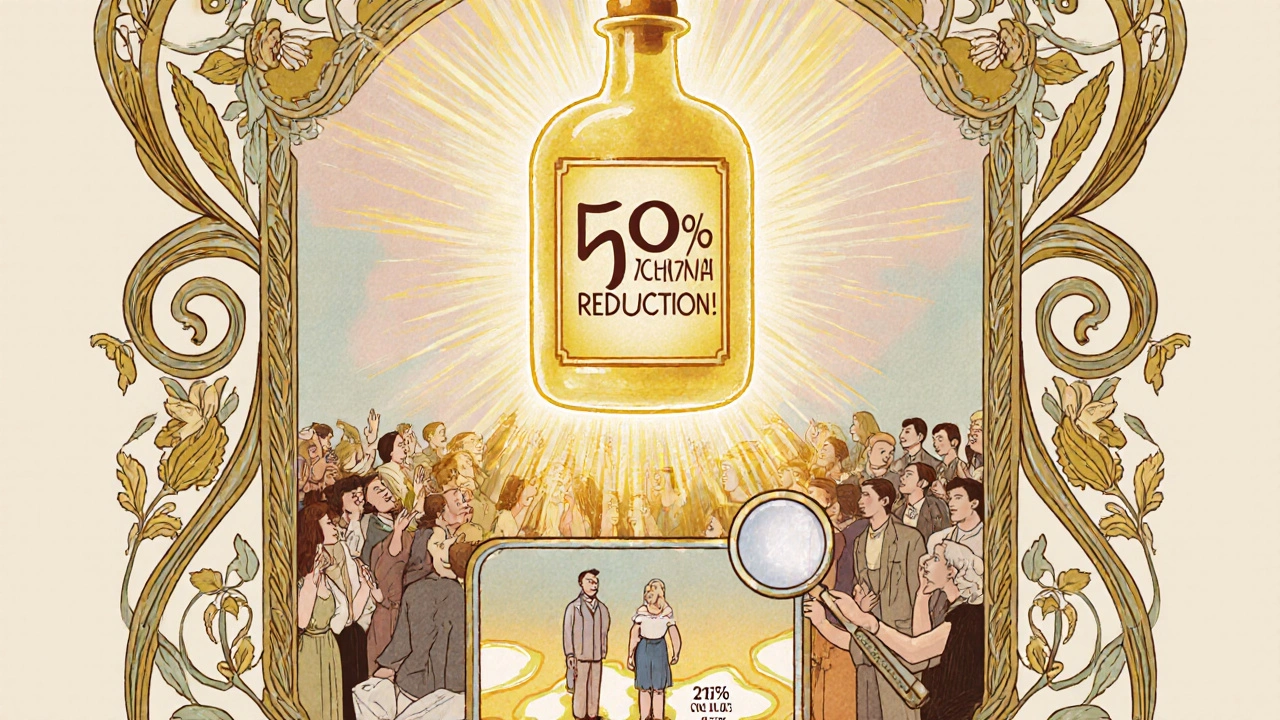
Absolute Risk vs Relative Risk in Drug Side Effects: How to Interpret Numbers
Learn how to tell the difference between absolute and relative risk in drug side effects. Understand what those percentages really mean for your health-and why pharmaceutical ads often hide the truth.